Best Nail Guns for Fastening Drywall Track and Other Materials
For fastening drywall track to concrete or steel, the meite CS3025 is the most directly suited option in this list: it is designed for concrete and steel fastening and includes pins. The Ramset TF1200 is another metal-framing fastener tool. Roofing nailers and an upholstery tack nailer serve different jobs, so they are not substitutes for track fastening. Compare the intended material and fastener type before choosing.
| Product | Best suited for | Fastener or task |
|---|---|---|
| meite CS3025 | Track, furring, and similar fastening | Plastic-collated pins for concrete or steel |
| Ramset TF1200 | Metal framing | Gas-actuated fastening |
| BOSTITCH RN46 | Roofing work | Coil roofing nails |
| AeroPro CN45N | Asphalt-shingle roofing | 15-degree coil nails |
| meite 1170 | Upholstery | Decorative tack pins |
meite CS3025 Concrete Nail Gun

Best for: fastening drywall track, furring, or similar materials to concrete or steel. This is the clearest match in the list for track work because its description specifically identifies those tasks and materials.
The pneumatic tool accepts 1/2- to 1-inch plastic-collated pins and includes 1,000 mechanically galvanized, 7/8-inch pins. Its 20-shot transparent magazine lets users check the remaining pin supply. Listed features also include single-firing mode, a hardened driver, a shock buffer, a magnesium body, a rubber overmold grip, and an adjustable rear exhaust.
Limitation: This is a pneumatic nailer, so it requires an appropriate air supply. Confirm that the included pin size and type suit the material and application before use.
Ramset TF1200 Gas Actuated Tool

Best for: buyers looking for a tool described for metal framing. The product is identified as a gas-actuated fastener tool for metal framing, making it a relevant alternative to a pneumatic pin nailer when comparing framing-focused fastening tools.
The available product details list the tool as a power tool and identify its manufacturer as Ramset and its country of manufacture as the United States.
Limitation: The supplied information does not specify compatible fasteners, materials beyond metal framing, or operating details. Verify the required fastener system and job requirements before selecting it for drywall track.
BOSTITCH RN46 Coil Roofing Nailer

Best for: roofing projects that call for coil roofing nails, not fastening metal track to concrete. The listed nail range is 3/4 to 1-3/4 inches. Features include lightweight aluminum housing, a zero-nail lockout intended to indicate when reloading is needed and prevent dry firing, and carbide inserts in the nosepiece.
Choose this if the main task is roofing and fast reloading is important to the job. It is included as a distinct nail-gun option, but its roofing purpose makes it a poor match for track fastening.
Limitation: The supplied features identify it as a roofing nailer and do not establish compatibility with concrete pins or framing fasteners.
AeroPro CN45N Roofing Nailer
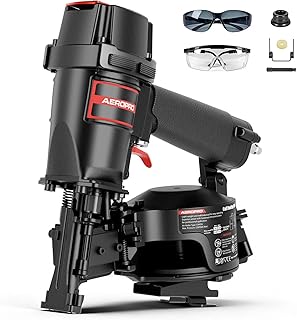
Best for: roofing crews or homeowners installing asphalt shingles with compatible coil nails. The product name specifies a pneumatic roofing nailer for 15-degree coil nails measuring 3/4 to 1-3/4 inches.
Choose this over a track nailer only when the job is roofing. The listed information identifies its roofing application and nail range, but provides no additional operating or feature details.
Limitation: It is intended for roofing nails and is not presented as a tool for concrete or metal-track fastening.
meite 1170 Decorative Tack Nailer

Best for: upholstery and furniture work that uses decorative tack pins. Its 7/16-inch head diameter and stated applications include sofa leather and upholstered furniture.
This pneumatic tool is a specialty choice for decorative fastening rather than construction track. It is included to help distinguish a tack nailer from tools designed for framing or concrete fastening.
Limitation: The listed use is upholstery; it is not identified as suitable for drywall track or concrete pins.
Buying Guide: How To Choose A Track Fastening Nail Gun
What material are you fastening into?
Start with the base material. For track attached to concrete or steel, consider tools specifically described for those materials, such as the meite CS3025. For metal framing, the Ramset TF1200 is labeled for that application, but confirm its fastener requirements before purchase.
Which fastener does the job require?
Match the tool to the fastener, not just the word “nailer.” Concrete pins, roofing coil nails, and decorative upholstery tacks are different fastener types. Check the specified length, collation, and material compatibility against the project plans and the tool’s instructions.
Do you need pneumatic or gas-actuated operation?
The meite CS3025 and AeroPro CN45N are described as pneumatic tools, so consider the required air setup. The Ramset TF1200 is gas actuated. The product details supplied here do not give enough information to compare operating costs or setup requirements further.
How should you compare capacity and handling?
For repeated fastening, check magazine capacity and reload process. The CS3025 has a 20-shot transparent magazine; the BOSTITCH listing describes a zero-nail lockout and reload indication. Weight, balance, and access to the work area also matter, but compare only specifications provided for each exact model.
Frequently Asked Questions
What is the best nail gun here for drywall track on concrete?
The meite CS3025 is the most directly matched option listed because it is described for drywall track and concrete fastening and includes 12-gauge pins.
Can a roofing nailer fasten drywall track?
The listed roofing nailers are designed for roofing nails and roofing applications. Their product details do not establish suitability for concrete or metal track.
What is the difference between a roofing nailer and a concrete pin nailer?
A roofing nailer drives coil roofing nails for roofing work. A concrete pin nailer is intended for pins used to attach materials to concrete or, when specified, steel.
Should I choose pneumatic or gas-actuated?
Choose based on the tool’s approved fastener and material, then consider the air or gas setup required. Confirm operating requirements in the manufacturer’s instructions.