Best Pneumatic Framing Nail Gun Picks for Builders and DIYers
Looking for a reliable pneumatic framing nailer that handles wood framing, subfloors, roof decking, and sheathing with ease? This guide highlights five top options, explaining who each tool is best for and why. If you’re a professional contractor, a homeowner tackling a major project, or a remodeler building decks, these picks offer a range of features—from lightweight designs to selectable triggers and conversion capabilities—that help you work faster and with precision.
| Product | Key Strength | Best For |
|---|---|---|
| Metabo HPT NR90AES1 | Lightweight, 21° plastic collated nails, 2–3.5″ nails | All-day framing, roof decking, and flooring where weight matters |
| Bostitch F21PL | Two quick-change nosepieces, adjustable depth, magnesium build | Versatility for framing or metal connector work |
| NuMax SFR2190 | 21° capacity, robust drive blade | Heavy-duty framing, subfloors, and deck projects |
| Metabo HPT NR83A5 | Selectable trigger, 21° angle, rof decking-friendly | Roofs, flooring, and projects needing trigger flexibility |
| DOTOOL Framing Nailer | Lightweight aluminum, tool-less jam release | DIY and pro projects requiring easy maintenance and maneuverability |
Metabo HPT NR90AES1 Framing Nailer
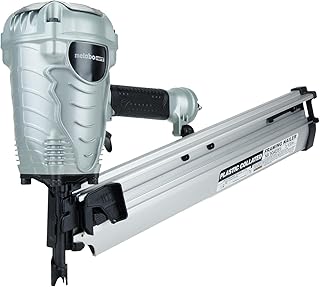
The Metabo HPT NR90AES1 is a lightweight framing nailer designed for efficient all-day use. It accepts 21-degree plastic-collated nails ranging from 2 to 3.5 inches, making it suitable for subfloors, roof decking, and general framing work. Weighing about 7.5 pounds, it offers a well-balanced feel to reduce user fatigue during extended sessions. The tool is well-suited for professionals prioritizing a lighter tool that doesn’t compromise drive power.
Best for: Professionals needing a lighter tool for long framing sessions and projects requiring reliable average drive depth across varied materials.
Why selected: Its balance of weight, compatibility with common 21° nails, and suitability for flooring and framing tasks makes it a dependable all-around option. A potential limitation is fewer advanced trigger options, which may matter to users who need precise trigger control in tight spaces.
Bostitch F21PL Framing Nailer

The Bostitch F21PL is a versatile pneumatic framing nailer featuring two quick-change nosepieces to convert between framing and metal connector applications. Its patented push-button depth guide helps set nails to precise depths, while a lightweight magnesium body enhances durability and reduces fatigue. This model excels in projects requiring quick tool changes and reliable depth control for consistent fastener placement.
Best for: Pros who frequently switch between framing and metal connector work and need easy depth adjustments in a lightweight package.
Caution: The two-nosepiece setup is convenient, but it adds slightly more maintenance to keep the pieces clean and properly aligned during use.
NuMax SFR2190 Pneumatic Framing Nailer
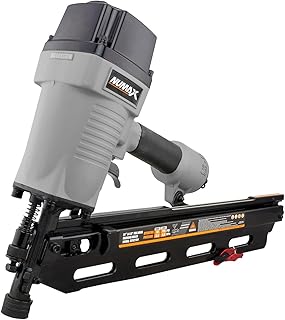
The NuMax SFR2190 is a 21-degree framing nailer designed for a range of construction tasks, including framing, subfloors, and roof decking. It supports 2″ to 3-1/2″ nails in a standard plastic-collated format and uses a robust drive blade to resist damage in demanding environments. It’s a solid pick for users needing reliable performance without premium-price features.
Best for: Builders who want a durable, mid-range option capable of handling heavy framing and decking without extra frills.
Limitation: Fewer advanced trigger options compared to higher-end models, which may affect precision for some finish-intensive applications.
Metabo HPT NR83A5 Framing Nailer
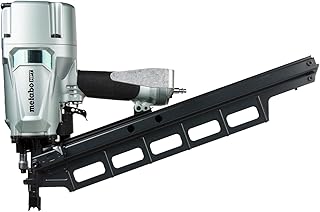
The Metabo HPT NR83A5 combines a selectable trigger with a 21° angled design, making it a flexible choice for both flooring and roof decking. It accepts plastic-collated nails from 2″ to 3-1/4″ and includes a rafter hook for overhead work. The selectable trigger path allows switching between contact and sequential operations, enabling rapid driving or precise control as needed.
Best for: Pros who need trigger versatility and a strong balance between speed and precision on decking and flooring projects.
Caution: Trigger mode must be selected carefully to avoid accidental firing in awkward positions; ensure the tool is in the correct mode for the task at hand.
DOTOOL Framing Nailer
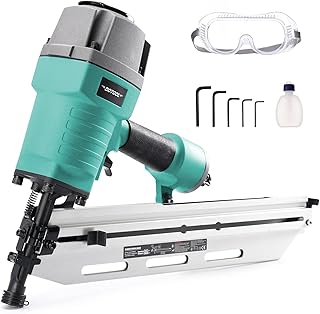
The DOTOOL Framing Nailer uses 21-degree nails from 2″ to 3-1/2″ with a lightweight aluminum body and a tool-less jam release mechanism for quick clearing of nail jams. It features a no-mar tip for delicate surfaces and a 360-degree adjustable exhaust, aiding comfort during extended use. The sequential mode offers precise nail placement for framing, subfloors, and sheathing work.
Best for: DIY enthusiasts and pros who value ease of maintenance, no-mar capability, and adjustable airflow during framing and sheathing tasks.
Limitation: Aluminum construction offers good weight savings but may be less robust under heavy daily use compared to full-metal housings in some environments.
Buying Guide: Key Considerations For Your Pneumatic Framing Nailer
- Nail angle and compatibility: Most framing nails come in 21° or 30°-33° degrees. Choose a model that accepts the nail length you plan to use (2″–3.5″ are common) and that matches your decking or framing tasks.
- Weight and balance: Lighter tools reduce fatigue on long jobs. If you’re climbing or overhead-working, a lighter model (around 7–8 lbs) can help with control and accuracy.
- Trigger options: Selectable triggers (sequential vs. contact) provide versatility. Sequential mode improves precision; contact mode speeds up framing but requires more control.
- Depth adjustment: A reliable depth adjustment helps ensure nails sit flush or countersink as needed. Look for a tool with a straightforward depth control mechanism.
- Nosepiece versatility: Tools with quick-change nosepieces support different applications, such as framing and metal connectors, reducing tool swaps on site.
- Maintenance and jams: A jam-release mechanism and accessible internal components shorten downtime. Consider models with tool-less clearing features.
- Build materials: Magnesium and aluminum bodies save weight but may differ in durability. Magnesium is lighter; aluminum can offer solid durability with ease of wear.
- Accessories: Features like rafter hooks, integrated bumpers, and exhaust direction can improve usability on complex jobs and overhead work.
Frequently Asked Questions
- What nails should I use with a 21° framing nailer?
Most 21° framing nailers use plastic-collated nails in the 2″ to 3-1/2″ range. Check your tool’s manual for exact compatibility.
- Is a selectable trigger beneficial for framing?
Yes. A selectable trigger allows switching between rapid sequential firing and precise single-fire control, improving accuracy on detailed cuts or overhead work.
- Should I choose a steel or magnesium body?
Magnesium is lighter and can reduce fatigue, while steel offers higher durability. For most framing jobs, a magnesium or aluminum body provides a good balance.
- What maintenance helps prevent jams?
Regularly clean the tool, lubricate as recommended, check for debris in the magazine and jam release, and inspect O-rings and seals for wear.
- Do I need extra nosepieces?
Extra nosepieces are helpful for rapid switching between framing and metal connector tasks without needing additional tools.
- Which model is best for overhead work?
A lightweight model with a rafter hook and well-balanced weight distribution is ideal for overhead framing projects.