Best Pliers to Cut Metal: Top Picks for Durable, Precise Cuts
Answering the question, these are the best pliers and snips for cutting metal, chosen for reliability, grip comfort, and cutting capacity. The top picks below are suited for professionals and DIYers alike—whether you’re trimming thin sheet metal, cutting copper wire, or snipping hardware cloth. Each product is evaluated for best use case, so you can quickly choose what fits your projects and budget. A quick buyer’s table follows to summarize their strengths at a glance.
| Product | Best For | Main Strength |
|---|---|---|
| BOENFU 6 Inches Wire Cutters | Electronics work and jewelry making | Flush-cut edge and compact size |
| HURRICANE 10 Inch Aviation Tin Snips | Wide straight cuts in thin sheet metal | Cr-V steel blades with micro-serrations |
| XUDYVCO 8IN Heavy Duty Mini Bolt Cutters | One-handed cuts on small bolts and cables | Three-stage lever for extra cutting force |
| BOOSDEN Wire Cutter 6.5 Inch | Jewelry making and crafts in tight spaces | Ultra-sharp, high-carbon steel blades |
| GRENPRO 8 Inch Heavy Duty Mini Bolt Wire Cutter | Medium duty bolt cutting | High-quality Cr-V with non-slip handle |
BOENFU 6 Inches Wire Cutters Heavy Duty Snips

Best for precision flush cuts in electronics and jewelry projects. This tool features a flush-cut edge that can snip up to 12 AWG wire, providing clean ends on zip ties, beading wire, and small components. The blades are forged from high-quality chrome-vanadium steel for durability and long service life. Its compact size makes it ideal for tight spaces such as electronics workbenches or delicate jewelry setups. A potential limitation is that very thick or hardened metals may approach the cutter’s capacity, so plan cuts within the stated range.
HURRICANE 10 Inch Aviation Tin Snips
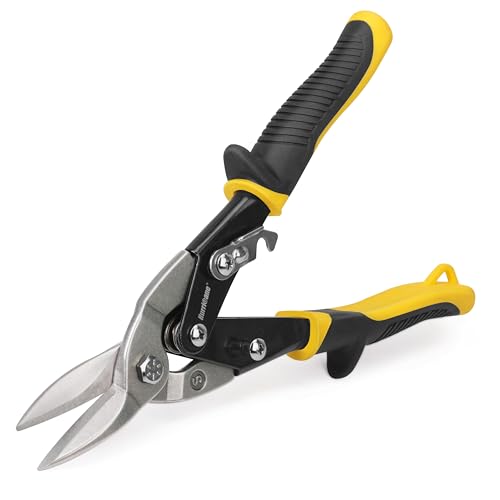
Best for straight cuts in thin sheet metal and gutters. These straight-cut snips use Cr-V steel blades with micro-serrations to grip material and prevent slipping. They’re optimized for straight lines and wide curves, making them a solid pick for HVAC ducts, gutter repairs, and DIY metal projects. They’re not designed for tight circles or sharp angles, and should not be used on hardened steel, metal rods, or wire mesh which could dull blades.
XUDYVCO 8IN Heavy Duty Mini Bolt Cutters

Best for power and reduced hand effort. This 8-inch bolt cutter uses a three-stage lever and a spring-loaded mechanism to double cutting force, allowing one-handed operation for stainless wire and cable up to 2.3 mm. Its chromium-vanadium steel construction resists rust and deformation, delivering consistent performance with frequent use. A limitation is the maximum opening and cutting capacity; for larger bolts, a bigger tool may be required.
BOOSDEN Wire Cutter 6.5 Inch
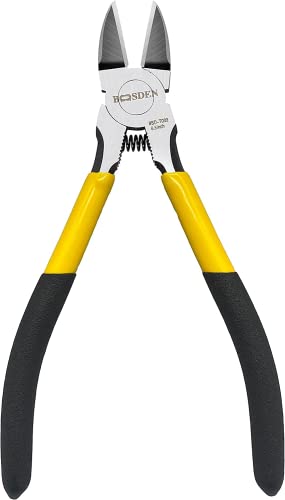
Best for crafts and jewelry work in tight spots. These diaganol cutters are built with high-carbon steel blades that are hardened for sharpness, suitable for cutting soft copper, plastic wire, and fine aluminum wires. The ergonomic rubber-handled design reduces fatigue during repetitive cuts. Avoid using these for hard metals or very thick gauges beyond 12 AWG, which can dull the blades faster.
GRENPRO 8 Inch Heavy Duty Mini Bolt Wire Cutter

Best for medium-duty bolt and wire cutting with a durable Cr-V blade. The 8-inch tool offers a maximum 0.23 inch (6 mm) opening and 2.3 mm cutting capacity. Its Cr-V construction provides hardness and wear resistance for longer edge life, and the tri-color non-slip handle helps maintain control during cutting. It’s a solid choice for shop use but may be heavier than ultra-compact options, which some users prefer for portability.
Buying Guide: Pliers To Cut Metal
What should you consider before buying?
Cutting capacity matters more than length for many metal tasks. Determine whether you need high leverage for bolts and cable or precise flush cuts for electrical and jewelry work. Blade material, heat treatment, and handle grip contribute to durability and comfort during extended use. For confined spaces, compact cutters with ergonomic handles are advantageous. If you’ll cut thicker sheets, invest in heavier bolt cutters or aviation snips designed for metal.
What material are the blades made of?
Look for chrome-vanadium (Cr-V) steel or high-carbon steel with heat treatment. These offer hardness, edge retention, and wear resistance, reducing the need for frequent sharpening. Non-slip, ergonomic handles also help maintain control when applying force.
What is the right size for your projects?
Smaller cutters (around 6 inches) are ideal for jewelry, electronics, and crafting in tight spaces. Larger models (8–10 inches) provide more leverage for thicker wires and bolts but may be heavier to handle. Consider weight and balance to minimize hand fatigue.
Are there specific cautions to heed?
Avoid using cutters on hardened steel, thick cables beyond stated capacity, or materials not specified for the tool. Using the wrong cutter can dull blades, reduce performance, or cause safety hazards. Always align material to the tool’s intended purpose.
How should you maintain your cutters?
Keep blades clean and dry after use. Wipe away residue, and store in a dry environment to prevent rust. Periodically inspect pivot points and replace worn components to preserve cutting accuracy and safety.
Frequently Asked Questions
- What karat and thickness can these cutters handle? Most listed cutters handle metal up to about 12 AWG for flush-cut models and up to 2.3 mm for bolt cutters; verify each tool’s stated capacity before use.
- Are these suitable for professional metalwork? Yes, several are designed for professional tasks like HVAC, jewelry crafting, and electronics assembly, offering durable blades and comfortable grips.
- Which cutter is best for tight spaces? The 6-inch models (like BOENFU and BOOSDEN) are typically best for confined areas due to compact size and lighter weight.
- Can I cut stainless steel with these? Some snips claim compatibility with thin stainless steel (e.g., up to 22 gauge), but check each product’s notes; avoid using tools beyond their recommended materials.
- How to prevent rust on these tools? Wipe clean after use and store in a dry environment; consider models with corrosion-resistant finishes for extended life.
- Do these require special maintenance? Regular cleaning, lubrication of pivot points, and inspection for wear help maintain cutting performance over time.