Best Pipe and Tube Cutters for Any Job: Quick Cuts, Clean Edges, Reliable Tools
Looking for a dependable pipe and tube cutter set that delivers fast, clean cuts across copper, PVC, PEX, and more? This guide highlights five top options ideal for tradespeople and DIY enthusiasts alike. Each pick is evaluated for ease of use, cutting range, and durability, with guidance on who should choose it and why. Whether you’re tackling plumbing, HVAC, or remodeling, these cutters help you finish projects with precision and confidence.
Product overview table (selected picks):
- Bates Choice PVC Pipe Cutter — Cuts up to 1-5/8″
- Ultimate Tube Cutter Set by SEDY — 3/16″ to 2″ OD with deburring
- RIDGID Close Quarters Tubing Cutter — 1/4″ to 1-1/8″
- Spurtar Mini Pipe Cutter Tool — 1/8″ to 1-1/8″
- MECHCLAW Heavy Duty Tube Cutter — 3/16″ to 2″ OD
Bates Choice PVC Pipe Cutter, 1-5/8″ Capacity
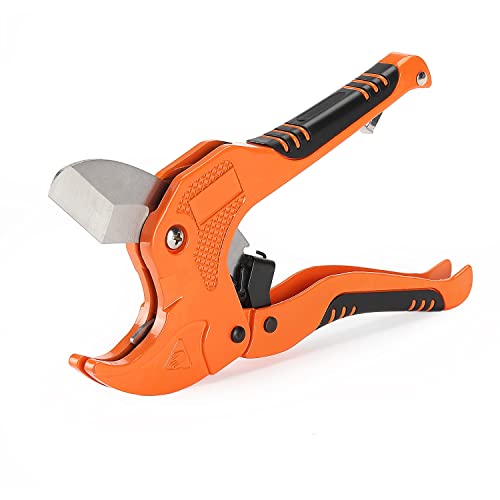
The Bates ratchet-type cutter is built from manganese steel for high hardness and durability, with a ratchet mechanism that speeds up cuts. The rubber-textured handle provides comfort and reliable grip, while a stainless steel buckle allows easy storage. When not in use, the handles fold for compacting storage and safety. The triangular knife edge improves access to pipes in tight spots, enabling efficient cutting with fewer passes. Best for: professionals or DIYers who need quick, dependable cuts in PVC piping and similar materials.
Selected for: reliable performance in small to medium PVC tasks with a simple ratchet action. The design supports safe, space-saving storage and comfortable handling. Limitation: may be less suitable for extremely hard or oversized pipes beyond its 1-5/8″ capacity.
Ultimate Tube Cutter Set — Heavy Duty 3/16″-2″ OD

This set from SEDY includes a heavy-duty tube cutter plus a deburring tool and six independent bearings for fast, precise cuts. The cutters use heat-treated alloy steel for durability and sharper blades for consistent results. Best for: professionals or serious DIYers who need reliable speed and precision across copper, aluminum, PVC, and other tubes. Better for: environments requiring multiple cutters and a deburring option in one kit. Caution: ensure bearings stay clean during heavy use to maintain accuracy.
RIDGID CC247 Close Quarters Tubing Cutter

RIDGID’s close-quarters cutter is designed for tight spaces and small-diameter work, with a 1/4″ to 1-1/8″ cutting capacity. It handles hard and soft copper, aluminum, brass, and plastic, offering versatility. A knurled feed screw knob gives precise control over cutting pressure for clean cuts. Best for: plumbers and installers working in cramped panels or behind appliances. Limitation: may require more manual effort in very tight angles compared to ratchet models.
Spurtar Mini Pipe Cutter Tool — 1/8″ to 1-1/8″

Spurtar’s mini cutter is designed for flexibility in tight spaces, suitable for soft and hard copper, aluminum, brass tubes, and other thin-walled pipes up to 1-1/8″. It features a sturdy slide, large knurled screw knob, and a built-in deburring edge for a professional finish. Best for: electricians, plumbers, and hobbyists needing a compact tool for small-diameter work. Caution: not suitable for stainless steel, PVC tubes, or thick-wall tubes beyond its rated range.
MECHCLAW Heavy Duty Tube Cutter

MECHCLAW’s cutter covers a wide range from 3/16″ to 2″ OD, suitable for copper, brass, iron, aluminum, and even some stainless steel with thinner walls. It features dual rows of ball bearing rollers for stable, precise cuts and an industry-grade replaceable blade for long-term value. Best for: heavy-duty plumbing, HVAC, and renovation work where larger diameters are common. Limitation: may be heavier and bulkier for very tight spaces; choose a more compact model in cramped setups.
Buying Guide
- Cutting range: Match the largest pipe diameter you encounter to your primary tool choice. If you frequently cut 1-1/2″ to 2″ tubes, favor MECHCLAW or the SEDY set for versatility.
- Crank mechanism vs ratchet: Ratchet cutters (like Bates Choice and Spurtar) excel in quick, repeating cuts and tight spots. Knurled screws offer controlled pressure for clean edges; RIDGID-type knurled screws are ideal for precision in tight joints.
- Materials and durability: Look for high-hardness blades and alloy steel bodies for longevity, especially in professional use. Replaceable blades extend tool life in demanding environments.
- Portability and storage: Folding handles and compact sets are beneficial for on-site work with limited space. A durable carrying case or integrated storage helps keep tools organized.
- Deburring and edge finishing: Some sets include deburring tools to smooth cut edges. This reduces trimming time and improves pipe integrity and finish.
- Environment and material compatibility: Ensure the cutter supports the materials you work with (copper, PVC, PE, PEX, aluminum). Some models are better for plastic and soft metals, while others handle thicker walls and mixed metals.
- Usage conditions: For tight spaces, prioritize close-quarters or mini cutters. For frequent, larger cuts, choose heavier-duty models with more robust blades.
Frequently Asked Questions
What is the most versatile pipe cutter?
Set options like the Ultimate Tube Cutter Set offer multiple cutters and a deburring tool for a wide range of diameters and materials.
Can I use a standard tube cutter on stainless steel?
Some cutters handle thin-walled stainless steel, but many are not designed for stainless. Check blade hardness and recommended materials before use.
How do I prevent burrs after cutting?
Use a deburring tool or the built-in deburring edge on select cutters to smooth edges for a clean finish and safer installation.
What should I consider for tight spaces?
Choose a close-quarters or mini cutter with a compact profile and secure adjustment to access confined pipes.
Are replaceable blades worth it?
Yes, replaceable blades reduce long-term costs and maintain cutting performance as blades dull with use.