Best Metal Cutting Saw Blades for Mitre Saws
When choosing a mitre saw blade for metal cutting, the top priority is clean cuts, durability, and compatibility with non-ferrous or ferrous materials. This guide highlights five strong options that cover aluminum, non-ferrous metals, and steel-like materials. Each product is best for specific use cases, so you can pick the blade that fits your project, whether you’re a hobbyist, contractor, or workshop professional. The following profiles include who benefits most, why the blade was selected, and practical cautions.
Buyer snapshot table (selected blades):
- TOMAX 10-Inch 80 Tooth TCG — Best for aluminum and non-ferrous metals, long life
- OA-BRES 10 Inch 80T — Best for heavy-duty aluminum and non-ferrous cutting, reduced vibration
- FOXBC 10-Inch 100-Tooth — Best for thin to medium aluminum, very clean cuts
- SHDIATOOL 12-Inch Diamond Blade — Best for steel, stainless steel, and rebar
- IVY Classic Swift Cut 10-Inch 5-Pack — Best value for frequent need across ferrous and non-ferrous metals
TOMAX 10-Inch 80 Tooth TCG Blade

Best for construction-grade aluminum and non-ferrous metal cutting, this blade uses carbide teeth for longer life and a spec-friendly design that resists rust. It is a practical choice for metal hobbyists and small contractors who frequently cut aluminum profiles, soft metals, or plastic composites. The electrophoretic coating helps reduce corrosion and extend blade life in workshop environments. This blade is a strong, budget-friendly option for frequent, mid-precision cuts with minimal heat buildup.
Who it’s best for: builders and DIYers cutting aluminum, brass, copper, or plastics in a home or small shop. Why selected: solid balance of durability, corrosion resistance, and price. Caution: avoid aggressive high-speed feeds that can accelerate wear on carbide teeth in hard alloys.
OA-BRES 10 Inch 80T Aluminum Non-Ferrous Blade

This blade emphasizes heavy-duty construction with C-4 tungsten carbide teeth designed for extreme durability and sharp, long-lasting cuts. It also features an electrophoretic coating to minimize rust and corrosion, and laser-cut stabilizer vents to reduce noise and vibration for smoother operation. The 5/8-inch arbor matches many standard mitre saws and helps maintain blade stability at higher cutting speeds.
Best for: professionals or serious hobbyists working with aluminum extrusions and other non-ferrous metals that require fast, straight cuts. Why chosen: strong wear resistance, cooler operation thanks to vents, and improved cut quality. Caution: ensure proper feed without overheating on thicker aluminum stock to avoid glazing or edge dulling.
FOXBC 10-Inch 100-Tooth Thin Aluminum Blade
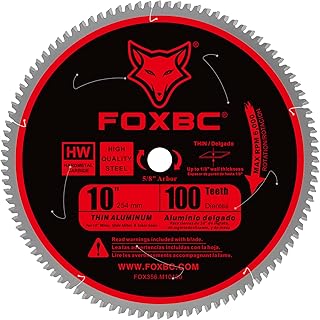
Designed for thin aluminum cutting with a kerf of 0.095 inches, this blade is optimized for cleaner finishes in soft metals. The 100-tooth configuration produces finer teeth engagement, which helps minimize burrs and heat buildup. It’s best for precision tasks on thinner stock and where a smooth edge matters more than rapid material removal.
Who should buy: metalworkers and fabricators focusing on thin aluminum pieces or intricate profiles where finish matters. Why chosen: thin-kerf design and higher tooth count yield smoother cuts, with the 5/8-inch arbor ensuring compatibility with standard mitre saws. Caution: not ideal for thick or hard metals; efficiency drops with thicker sections.
SHDIATOOL 12-Inch Diamond Blade (All-Purpose Cut Off)
Best for cutting steel, stainless steel, rebar, and PVC in dry-cutting operations. This diamond blade is a practical option when metal includes harder or ferrous materials beyond aluminum. It delivers fast, smooth cuts with a matrix designed for higher heat dissipation. The all-purpose note indicates versatility across common metal cutting tasks that involve tougher substrates.
Who should buy: metal fabricators and professionals cutting steel or rebar where non-ferrous blades fail to deliver. Why chosen: it provides a direct option when ferrous materials are present. Caution: not ideal for soft aluminum or non-ferrous metals where carbide blades excel in finish and speed.
IVY Classic Swift Cut 10-Inch Blade (5-Pack)

Designed as a value-focused option, this five-pack provides a fast-cutting solution for multiple metal types, including steel and angle iron. It is labeled for standard metal cut-off tasks and emphasizes resin-bonded aluminum-oxide grain for quick cutting. The blade is Type 1 and reinforced with fiberglass mesh for enhanced safety and durability in demanding shop environments.
Best for: budget-conscious users who need multiple blades for diverse metal cutting tasks. Why chosen: cost-effective set with adequate performance for recurring, moderate-duty cuts. Caution: the five-pack may include blades with mixed wear levels; inspect each blade before heavy-duty use to maintain edge quality.
Buying Guide: Practical Considerations For Mitre Saw Metal Blades
What material will you cut most often?
Choose carbide-tooth blades for non-ferrous metals like aluminum, brass, and copper, where quick, clean edges are important. For steel, stainless steel, or rebar, a diamond blade or higher-tooth carbide blade may be necessary depending on thickness and hardness.
Blade size and arbor compatibility
Most of the blades listed use a 5/8-inch arbor, which matches many standard mitre saws. Confirm your tool’s arbor size and overall blade diameter before purchase to ensure proper fit and safe operation.
Tooth configuration and kerf
A higher tooth count (e.g., 100 teeth) yields finer, smoother cuts but may cut more slowly. A thinner kerf reduces material waste and heat, which is beneficial for delicate or thin metals. Assess the balance between cut speed and edge quality for your project.
Coatings and heat management
Electrophoretic coatings resist rust and corrosion, extending blade life in humid or dusty environments. Some blades include stabilizer vents to vent heat and reduce vibration, improving control and reducing warping risk during long cuts.
Application notes and safety
Always follow manufacturer recommendations for cut settings, feed rate, and personal protective equipment. Use blades that are specifically designed for metal cutting, not general purpose wood blades, to avoid poor performance or kick-back risks.
Comparative quick guide
- Best for aluminum and non-ferrous metals: TOMAX and OA-BRES blades. Choose these for fast, clean edges and corrosion resistance.
- Best for very clean cuts on thin aluminum: FOXBC blade with 100 teeth. Ideal for finish-focused work.
- Best for ferrous metals and hard materials: SHDIATOOL diamond blade. Use when cutting steel and rebar.
- Best value for frequent project use: IVY Classic Swift Cut 5-pack. Versatile but inspect blades for wear.
Frequently asked questions
- What blade is best for aluminum on a mitre saw? A blade designed for aluminum with carbide teeth or a diamond blade suitable for non-ferrous metals offers clean cuts with reduced burrs.
- Can I cut steel with a non-ferrous blade? Not recommended for most steel work. Use a blade rated for ferrous materials or a diamond blade designed for metal cutting.
- Is a higher tooth count always better? Higher tooth count yields a smoother cut but may remove material more slowly; balance with project needs.
- Should I use a special coating on blades? Coatings like electrophoretic rust protection help extend blade life in moist or dusty shops.
- Do I need multiple blades for different metals? Yes. Having dedicated blades for aluminum, non-ferrous metals, and ferrous metals reduces cross-material wear and improves cut quality.