Best Drills for Tight Spaces: Compact Right-Angle Options for Narrow Work Areas
When space is at a premium, a compact right-angle drill can be a game changer. This guide highlights five top picks that fit into tight spaces while delivering solid performance for everyday drilling and screwdriving tasks. The best choices are tailored for DIYers, professionals chasing reach in confined areas, and anyone upgrading from a traditional drill to a space-friendly option. Below is a quick summary to help you compare essential features at a glance.
| Product | Best For | Key Benefit |
|---|---|---|
| DEWALT Right Angle Attachment, Flex Shaft, DWARAFS | Very tight spaces, fast bit changes | Improves reach with flexible shaft |
| DEWALT DCD740B 20V Max Right Angle Drill | Balanced DIY projects, cordless convenience | Compact, tool-only, solid battery life |
| Brushless Right Angle Drill for DeWalt 20V | Frequent drilling and driving in tight spots | Brushless efficiency and LED light |
| GRENPRO 19-Piece Flexible Drill Bit Extension Kit | Multi-attachment versatility | Two 105° adapters and various bits |
| Milwaukee 2415-20 M12 Right Angle Drill | Professional cordless option | Compact, lightweight, reliable |
DEWALT Right Angle Attachment With Flex Shaft
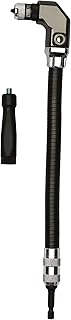
The DEWALT Right Angle Attachment with Flex Shaft is designed to extend a standard drill’s reach. Best for users who already own a drill and need a flexible extension to access tight corners, such as inside cabinetry or behind obsolete fixtures. The 12-inch attachment can inch into narrow gaps, supporting both drilling and screwdriving tasks in confined areas. Its robust build helps sustain repetitive work without frequent adjustments. Caution: ensure compatibility with your current drill chuck and avoid high-texterity tasks that require maximum torque in extreme angles.
DEWALT DCD740B 20-Volt Right Angle Drill

This 20-volt right-angle drill offers a cordless solution with a compact body geared toward overhead and tight-space drilling where a full-size drill won’t fit. It is best for DIY projects and professional tasks requiring balance between reach and torque. Its lightweight design assists users who need prolonged use without fatigue. Limitation: tool-only status means you’ll need to provide your own battery and charger, which can affect upfront costs if you don’t already own 20V MAX components.
Brushless Right Angle Drill for DeWalt 20V Battery

This model emphasizes brushless efficiency and compact design, offering variable speed and an integrated LED light. It’s best for users who need precise control and visibility when drilling or driving in tight spots, such as behind cabinets or in narrow joists. The LED helps illuminate work areas that lack natural light. Caution: check battery compatibility with your existing 20V DeWalt platform to ensure full performance and avoid underpowered operation in demanding tasks.
GRENPRO Flexible Drill Bit Extension Kit

The GRENPRO kit provides two 105° right-angle adapters plus rotating socket adapters and multiple bits, expanding versatility for tight spaces where a single attachment may not reach. Best for professionals or enthusiasts who need a flexible toolkit to handle framing, electricals, or cabinetry tasks. Opt for this kit if you frequently encounter angles that standard bits cannot address. Limitation: larger bit extensions can reduce rigidity for heavy drilling tasks; use lighter loads for best results.
Milwaukee M12 12-Volt Right Angle Drill
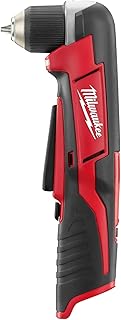
The Milwaukee 2415-20 is a compact, light, and durable option in the M12 line. It suits professionals and serious DIYers who need a reliable cordless right-angle drill in confined spaces, with good battery life and a comfortable grip for overhead or kneeling work. Choose this when you require a trusted brand with consistent performance in tight quarters. Caution: as a bare tool, it requires compatible M12 batteries and charger if you don’t own them already.
Buying Guide: Key Considerations For Tight-Space Drilling
- What size and weight matter? In tight spaces, a compact profile reduces fatigue. Look for sub-2 lb bare tools or light-weight models with ergonomic handles.
- Cordless vs. corded: If accessibility to outlets is limited, prefer cordless drills with long-lasting batteries. For constant overhead work, a lighter, cordless option is usually preferable.
- Right-angle reach: The angle depth and attachment length determine whether a tool can access corners, behind cabinetry, or between studs. Evaluate adapters, if included, and their max reach.
- Torque control and speed: Variable speed and torque adjustment help prevent stripping screws and provide cleaner drilling in tight material. Brushless motors improve efficiency and battery life.
- LED lighting: A built-in LED helps illuminate dark corners and improves visibility for precise work in cramped spaces.
- Compatibility: When selecting a kit, ensure compatibility with your existing battery platforms (e.g., DeWalt 20V, Milwaukee M12).
- Attachment versatility: If you expect a lot of different tasks, consider kits with multiple adapters or extension bits to reduce tool-switching time.
Frequently Asked Questions
- What is a right-angle drill and when should I use one?
A right-angle drill enables drilling or driving at a 90-degree angle, ideal for confined spaces where a standard drill cannot reach. - Should I choose a cordless or corded model for tight spaces?
Cordless models offer flexibility and reach in cramped areas, while corded tools can provide steady power for longer sessions. - Are brushless motors worth it for tight-space work?
Yes. Brushless motors improve efficiency, battery life, and performance under load, especially in frequent or prolonged use. - How do I know if a tool fits in my project’s space?
Check the tool’s length, head height, and the maximum reach of any right-angle adapters. Compare these specs to the space you must access. - Can I use any battery with these drills?
Most tools are designed for specific battery platforms. Confirm compatibility with your current battery system to avoid underperformance. - What safety tips apply to tight-space drilling?
Wear eye protection, secure workpieces, and ensure a stable stance. Use clamps and avoid over-tightening screws in restricted areas.