Best Random Orbital Sanders for DIY Projects: Top 5 Picks
Finding the right random orbital sander depends on your project size, dust control needs, and how comfortable you want the tool to feel during extended use. This guide highlights five popular models that balance power, control, and practicality for American DIYers and hobbyists. Each option is suited to different users: beginners may prefer lighter, easy-to-control models, while seasoned woodworkers might prioritize higher RPM ranges and robust dust collection. The table below provides a quick snapshot of the top picks and their standout features to help you compare at a glance.
| Product | Best For | Key Benefit |
|---|---|---|
| DEWALT DWE6423 | General projects | Vibration reduction for comfort |
| SKIL SR211601 | Budget-friendly tasks | Cyclonic dust box for easier cleanup |
| HYCHIKA 5-Inch | Versatile, finish work | Six-speed control with strong dust collection |
| 5-Inch Brake Sander (Generic) | Smooth finishes | Brake helps control sanding |
| Dong Cheng 5-Inch | Durable daily use | Efficient dust collection and quick pad changes |
DEWALT Random Orbit Sander, 5-Inch, 3-Amp
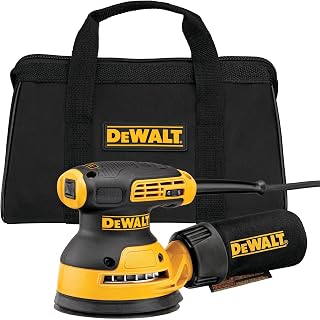
Best for builders who need steady power and reliable comfort during extended sessions. This model features a 3-amp motor delivering 8,000 to 12,000 OPM, helping you tackle finishes and mid-density woods with consistent results. A separate counterweight design reduces vibration for improved handling, and a dust-sealed switch protects against dust ingress to extend life. Suitable for general woodworking, cabinet making, and home improvement projects where reliability matters.
Best for: DIYers who want a durable, mid-range sander with smooth operation and strong dust management. Limitation: may be slightly heavier than entry-level models, which could affect long sessions for some users.
SKIL 5” Random Orbital Sander with Cyclonic Dust Box

Designed for hobbyist tasks and light-to-moderate projects, this sander offers a 2.8-amp motor and up to 13,000 OPM for smooth finishing across various materials. Its cyclonic dust box is easy to empty and helps keep debris contained, improving visibility and reducing cleanup time. Variable speed control enables accurate work on different wood types and coatings.
Best for: Beginners or budget-conscious users who want decent performance without a premium price. Limitation: lower amp motor compared to some pro models may limit heavy stock sanding.
HYCHIKA 5-Inch Random Orbital Sander

This model emphasizes versatility with 6 variable speeds up to 13,000 RPM, backed by a 300W motor. It includes an efficient dust collection bag and a vacuum-friendly design with multiple dust holes to capture debris effectively. The ergonomic grip reduces fatigue during long sanding sessions, and the hook-and-loop base allows quick paper changes for efficient work.
Best for: Woodworkers needing higher speed options and better dust control in a compact form. Limitation: some users may prefer superior dust bags over integrated collection for heavy cleanup jobs.
Dong Cheng 5-Inch Random Orbital Sander
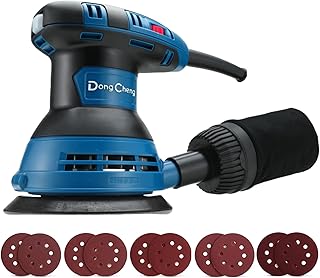
This sander emphasizes reliability with a 300W copper motor delivering up to 12,000 OPM and six variable speeds. It features an extended airflow cooling mechanism to manage heat during longer sessions and a detachable dust bag for easier cleanup. The universal hook-and-loop base supports fast sandpaper changes, and a 9-foot power cord expands working range.
Best for: Regular use on varied woodworking projects where consistent performance and ease of maintenance matter. Limitation: may lack some premium grip features found on higher-end models.
Buying Guide
Key considerations help you choose the right random orbital sander for your needs. Use these questions to compare models and determine fit.
- Power and speed: Do you need a higher RPM for smoothing finishes or a steadier performance on hardwoods? Models with multi-speed options offer more control across materials.
- Orbital action and pad size: Is a 5-inch pad sufficient for your typical projects, or would you benefit from larger pads for faster material removal?
- Dust collection: Do you prefer a cyclonic or bag-based system? Consider how easy it is to empty and whether it keeps your workspace cleaner.
- Vibration and comfort: Is the tool designed with counterweights or ergonomic grips to reduce fatigue during long sessions?
- Durability and maintenance: Are there features like dust-sealed switches or robust cooling to extend the tool’s life in dusty environments?
- Accessories and paper changes: Does the sander use hook-and-loop paper for quick changes, and are extra sandpapers included?
Practical tips for choosing
- For beginners, a lighter sander with adjustable speed and a reliable dust box helps maintain control and cleanliness.
- For cabinetry or finishing work, prioritize models with steady RPM, good dust collection, and comfortable grips to ensure smooth finishes.
- Always match the sandpaper grit to the task: start with coarse grits for material removal, then switch to finer grits for finishing.
FAQ
- What is a random orbital sander best used for? It excels at finishing work, producing smooth surfaces with minimal swirl marks.
- Should I choose a model with variable speed? Yes, variable speed helps adapt to different woods and coatings, improving control and results.
- Is dust collection important? Yes, it reduces cleanup time and improves air quality during sanding tasks.
- Do I need a brake on a sander? A brake can improve control when starting and stopping, reducing gouges on delicate surfaces.
- Can I use any sandpaper with these sanders? Most use standard 5-inch hook-and-loop paper, but verify the base plate compatibility in the manufacturer’s specs.
- Are these models suitable for professional use? Several are capable for frequent use, but always consider warranty, serviceability, and your workload when choosing.