Best 16 Gauge Air Nailer Picks for Finishing and Trim Projects
Choosing the right 16 gauge air nailer depends on your project needs, frequency of use, and preferred features. This guide highlights five strong options suited for molding, cabinetry, trim, baseboards, and detailed carpentry. Each product is evaluated for versatility, weight, depth control, and ease of maintenance so you can pick the best nailer for your workshop. The top picks are best for professionals, DIY enthusiasts, and hobbyists seeking reliable pneumatic performance.
| Product | Best For | Key Benefit |
|---|---|---|
| Metabo HPT NT65M2S | General finishing and molding | Lightweight, compact, low fatigue |
| HBT64P | Lightweight prolonged use | Magnesium housing for durability |
| Bostitch 2.5-in | Versatile trim and cabinetry | Versatile trigger options and accessories |
| meite T64A | Baseboards and crown molding | Tool-free jams and depth control |
| WORKPRO 2-in-1 | Brad nails and staples mini projects | Dual function in one tool |
Metabo HPT NT65M2S 16 Gauge Finish Nailer
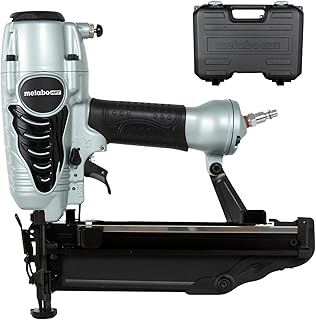
Metabo HPT NT65M2S is a lightweight 16-gauge finish nailer designed for molding, cabinetry, chair rail, and trim installations. It features a compact form at about 3.7 pounds and accepts nails from 1 inch to 2.5 inches. The tool is valued for its balance and ease of use in long sessions. Best for professionals and serious DIYers who need precise control with less fatigue.
Best for: Finishing work on molding and cabinets; use where a lighter, easier-to-maneuver tool improves accuracy and reduces hand strain. Limitation: May require frequent reloading on large runs due to a smaller magazine capacity.
HBT64P 16 Gauge Finish Nailer
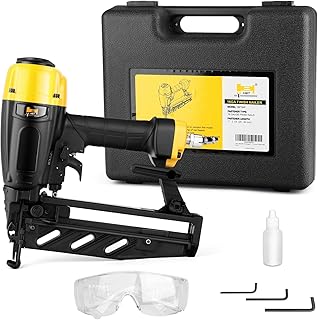
HBT64P 16 Gauge Finish Nailer uses a magnesium housing to reduce weight while boosting durability. It handles 1 inch to 2-1/2 inch finish nails and includes tool-free depth-drive and jam-release features. Best for contractors and builders who need a robust yet light finish nailer for daily use.
Best for: Pro-level finishing tasks where weight reduction reduces fatigue. Better for frequent use over long sessions. Caution: Verify compatibility with your airline or compressor setup if you rely on a specific air flow.
Bostitch 2.5-in 16-Gauge Finishing Nailer

Bostitch 2.5-in X 16-Gauge Clip Head Finishing Pneumatic Nail Gun is a versatile tool that drives 16-gauge finish nails from 1 inch to 2-1/2 inches. It includes a nailer, 1/4 inch air fitting, sample nails, carrying case, and extra no-mar tips. The selectable trigger supports sequential or contact operation, making it adaptable for various workflows.
Best for: Projects requiring a mix of trim and cabinetry work with flexible trigger options. Limitation: Some users may find the clip-head design less ideal for high-speed production compared to a full-body nailer.
meite T64A 16 Gauge Nailer

meite T64A 16 Gauge Pneumatic Finish Nailer supports 1-1/4 to 2-1/2 inch nails, features a 100-nail magazine, tool-free jam release, and depth adjustment. It also includes a rubberized no-mar tip for preventing surface dents and scratches. Best for baseboards, crown molding, cabinetry, and precision trim work.
Best for: Builders who want strong depth control and quick jam clearing. Choose this if you value a compact, contractor-grade nailer with reliable surface protection. Caution: The build quality may vary with price-conscious models, so avoid low-cost compromises if you require consistent results.
WORKPRO 2-in-1 Brad Nailer & Staple Gun

WORKPRO 2-in-1 Pneumatic Brad Nailer/Staple Gun is an 18 GA tool that also handles staples, providing a dual-function option for light trim and upholstery work. It comes with 400 brad nails and 300 staples, and requires an air compressor. Depth adjustments and a standard 1/4 NPT air inlet support simple setup.
Best for: Small woodworking projects and upholstery tasks where brads and staples are needed in one tool. Limitation: Not a dedicated 16-gauge nailer, so for 16-gauge finish tasks it may be less suitable than a single-purpose tool.
Buying Guide: 16 Gauge Pneumatic Nailer Considerations
What to evaluate when selecting a 16 gauge air nailer:
- Weight and ergonomics: Lighter tools reduce user fatigue, especially on long sessions. Magnesium or aluminum housings help keep weight down without compromising durability.
- Nail range and drive depth: Look for 1″ to 2.5″ nails compatibility and depth-adjustment features to ensure flush finishes on various materials.
- Jam clearance and ease of maintenance: Tool-free jam release and accessible nose mechanisms minimize downtime during projects.
- Trigger configuration: Sequential triggers are safer for precision; contact triggers speed up workflows when used with consistent materials.
- Magazine capacity: A larger magazine reduces reloads on larger runs; consider reloading frequency in your typical project load.
- Air requirements and compatibility: Check PSI operating range and air inlet size to match your air compressor. Compatibility with common shop compressors is a practical advantage.
- No-mar features: A rubberized nose tip helps prevent surface dents, especially on soft woods or veneered surfaces.
FAQ
- What is a 16 gauge finish nailer best used for? – It is ideal for trim, molding, baseboards, cabinetry, and fine finish carpentry where small-diameter nails leave minimal visible holes.
- Should I choose a magnesium housing nailer? – Magnesium houses are lighter and durable, making them a good choice for extended use and reduced fatigue.
- Is a tool with depth control necessary? – Depth control helps ensure nails sit flush with the surface for a clean finish, especially on varied material thicknesses.
- Do I need a dual-function nailer? – A dual-function model (nails and staples) is helpful for upholstery or detailed trim work, but for strict 16-gauge nail work a dedicated nailer may be preferable.
- What maintenance is required for pneumatic nailers? – Regularly oil the tool according to the manufacturer’s guidance, keep the nose clean, and clear jams promptly to maintain performance.
- Can I use these nailers for hardwoods? – Yes, but adjust depth carefully and consider the pilot hole requirements and finish quality to avoid splitting.