Best 12 Inch Metal Cutting Blades for Ferrous Metals and Non-Ferrous Use
Choosing the right 12 inch metal cutting blade depends on the material you work with, the cutting speed you need, and the finish you expect. This guide highlights five top 12 inch blades suitable for ferrous metals, steel profiles, and non-ferrous cuts. It helps buyers compare longevity, heat tolerance, and ease of use. Ideal buyers include shop owners, fabricators, DIY homeowners, and maintenance teams seeking durable, low-maintenance blades for frequent cuts.
| Product | Best For | Key Benefit |
|---|---|---|
| TOMAX 12 Inch 60 Tooth Industrial Level | General steel cutting | Long blade life, cooler cuts |
| Evolution Power Tools 12BLADEST | Mild steel only | Minimal heat and sparks |
| TOMAX 12-Inch 100 Tooth TCG | Non-ferrous and plastics | Electrophoretic coating for corrosion resistance |
| TWIN-TOWN 12-Inch 60 Teeth | Ferrous metal profiles | New generation Cermet for cool cuts |
| Diablo Steel Demon Cermet II | Thin metal sheets | Extreme durability and fast cuts |
TOMAX 12 Inch 60 Tooth Industrial Level Blade
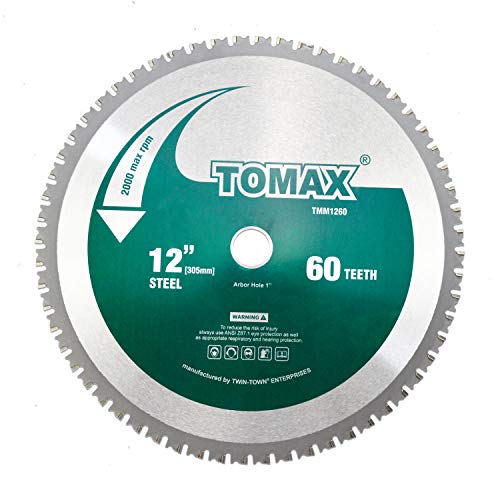
Brand: TOMAX. Features include Cermet teeth for longer blade life and higher heat tolerance for cooler cutting. Suitable for mild steel profiles, pipe, angle iron, tube, channels, steel studs, and solid bars. Best for shop tasks requiring durable performance and less frequent blade changes. Caution: data indicates enhanced durability, but performance varies with material hardness and cut speed.
Evolution Power Tools 12BLADEST 12-Inch Blade
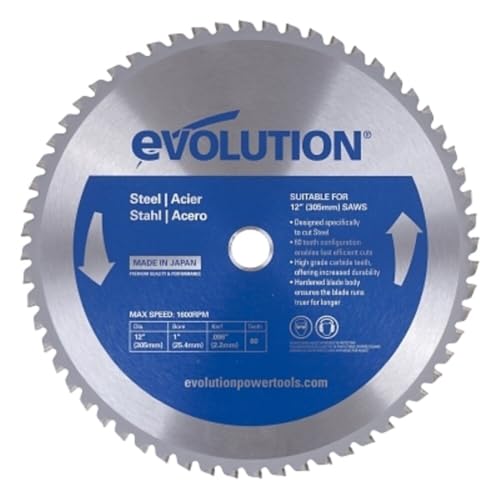
Brand: EVOLUTION. Best for cutting mild steel and ferrous metals with 60 teeth. Designed to minimize heat, burrs, and sparks, offering a cooler, cleaner cut. Not recommended for galvanized, hardened, or high-carbon steel. Choose this if you primarily cut mild steel and want reduced heat buildup.
TOMAX 12-Inch 100 Tooth TCG Blade
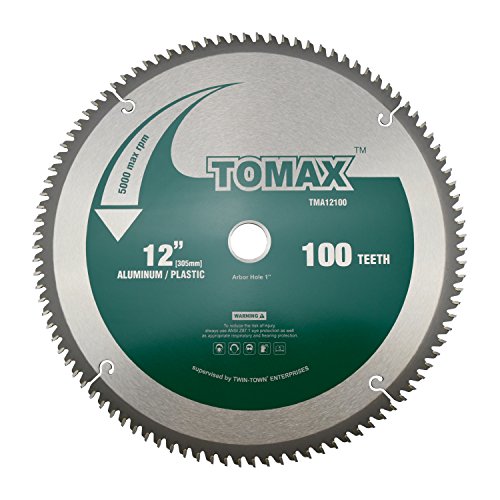
Brand: TOMAX. Ideal for cutting plastic, aluminum, and non-ferrous metals. Features construction-grade carbide teeth for longer life and an electrophoretic coating to reduce rust and corrosion. Best for mixed material projects where non-ferrous materials appear along with metals. Limitation: not optimized for heavy ferrous metal cutting compared to dedicated ferrous blades.
TWIN-TOWN 12-Inch 60 Teeth Steel Blade

Brand: TWIN-TOWN. Features the newest generation of Cermet with ceramic and metal tips for cooler, longer cuts. Designed for a wide range of mild steel profiles and solid bars. Laser-cut stabilizer vents trap noise and vibration, helping to keep the blade cool and reduce warp. Best for users needing quieter operation and stable performance during long cuts. Caution: may have slower cuts on very thick, hardened steel compared to other specialized blades.
Diablo Steel Demon Cermet II Blade
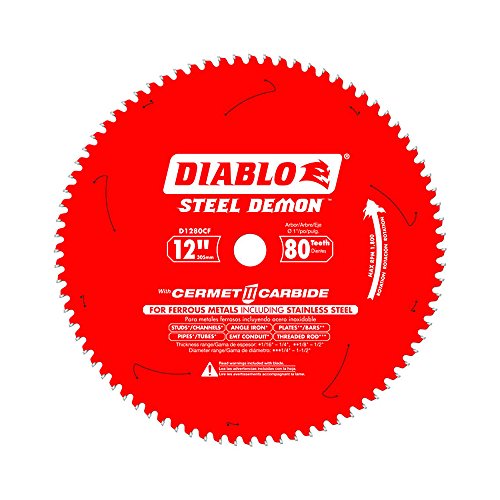
Brand: Diablo. Features Cermet II teeth for up to 25X longer life and up to 50X cooler cuts compared to standard grinding discs. Designed for thin metal and stainless steels with a fast cutting performance aided by Triple Chip Grind. Includes laser-cut stabilizer vents and Tri-Metal Shock Resistant brazing for reduced vibration and straighter cuts. Best for precision cuts on thin ferrous sheets. Limitation: optimized for thinner metals; performance may vary on thicker/harder materials.
Buying Guide
What blade material suits ferrous versus non-ferrous metal?
For ferrous metals like steel, carbide-tipped and cermet blades offer durability and cooler cuts. For non-ferrous metals and plastics, blades with carbide teeth and coatings resist galling and corrosion. Match blade type to your primary material to maximize life and cut quality.
How many teeth should a 12-inch blade have for cutting steel?
60 teeth provide a balance of speed and finish on ferrous metals, while 100 teeth yield smoother finishes on non-ferrous or thin metal sheets. Fewer teeth cut faster but may leave rougher edges.
What heat and burr considerations matter most?
Low heat generation minimizes workpiece distortion and burr formation. Blades with heat-resistant teeth and stabilizer vents reduce heat buildup and vibration, improving accuracy and blade life.
Is coating important for rust resistance?
Electrophoretic coatings reduce rust and corrosion on blades used in damp environments or outdoors. For longer blade life, choose blades with protective coatings in addition to durable tooth geometry.
How do I choose for mixed material projects?
If your work involves both ferrous and non-ferrous metals, consider a blade designed for mild steel with good non-ferrous performance or plan to switch blades when the material type changes to preserve edge life and cut quality.
Usage and safety considerations
Always follow manufacturer guidelines for arbor size, operating speed, and fit. Use appropriate PPE, ensure correct blade mounting, and avoid hot-swapping during operation to prevent accidents and blade damage.
Summary of key considerations
- Material compatibility: ferrous vs non-ferrous
- Tooth count: balance speed vs finish
- Heat management: cool cuts reduce wear
- Coatings and stabilizers: corrosion resistance and noise control
- Arbor compatibility and blade thickness
Short FAQ
- Q: Can I use a 12-inch blade for cutting aluminum on a standard chop saw?
A: Yes, if the blade is rated for non-ferrous metals and aluminum, but avoid using ferrous-special blades on aluminum to prevent faster wear. - Q: What blade is best for thick ferrous steel?
A: A blade designed for mild steel with 60 teeth is common; consider 60- or 80-tooth blades for smoother finishes on thicker sections. - Q: Do I need laser-cut stabilizers?
A: Stabilizers reduce vibration and help maintain accuracy, especially on long cuts. - Q: Are coatings essential for outdoor use?
A: Coatings help resist rust, extending blade life in moist environments. - Q: How often should I replace a metal-cutting blade?
A: Replace when you notice decreased performance, increased burrs, or significant visible wear on the teeth.